Big Rug Mistakes to Avoid
Avoid common rug-buying mistakes with practical tips for choosing the right size, shape and material for every room in your home.
Big Rug Mistakes to Avoid
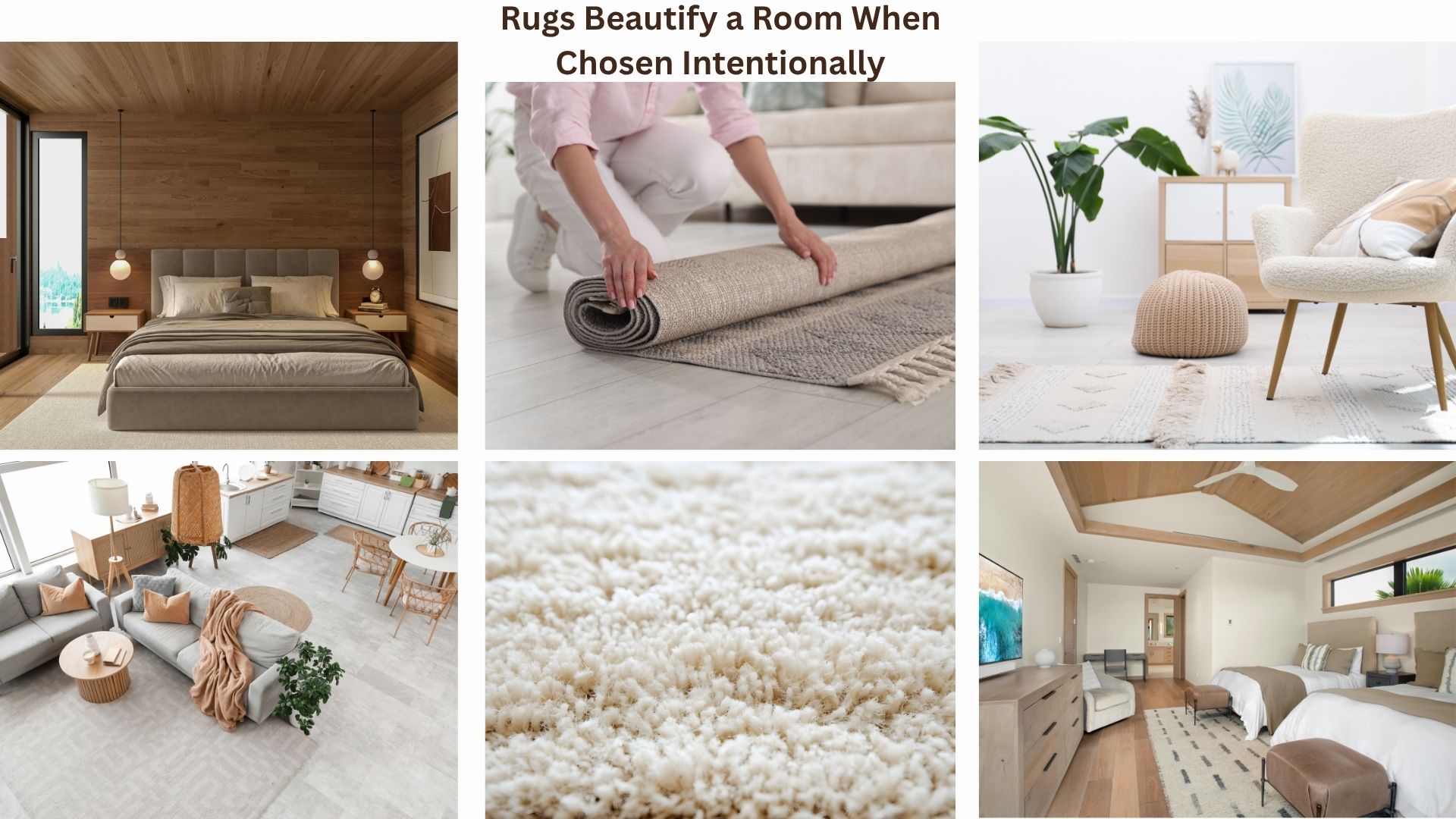
Rugs are not only a beautiful way to bring furniture and colours together; they also add warmth, comfort and a cosy feeling to a space. They can completely change the look of a room and are relatively easy to replace when you become tired of a particular colour, pattern or style.
Rugs can also be very helpful when separating areas within a large living room or open-plan space. The right rug can visually define a seating area, reading nook or dining area without the need to build walls or physically divide the room.
Although buying a rug may seem as simple as going to a shop and choosing the one you like, it is not always such a simple affair. The rug may look beautiful on display, but if the size, shape or material is wrong for your room, it can make the entire space feel unbalanced.
Here are three common mistakes to avoid when purchasing a rug, along with a few additional things to consider before making your final choice.
1. Purchasing a Rug Without Measuring the Furniture
One of the most common mistakes people make is purchasing a rug without first measuring the furniture and the area where it will be placed. In many cases, they choose a rug that is too small in relation to the sofa, dining table or overall room.
Before you begin shopping, measure the furniture arrangement rather than only measuring the empty floor.
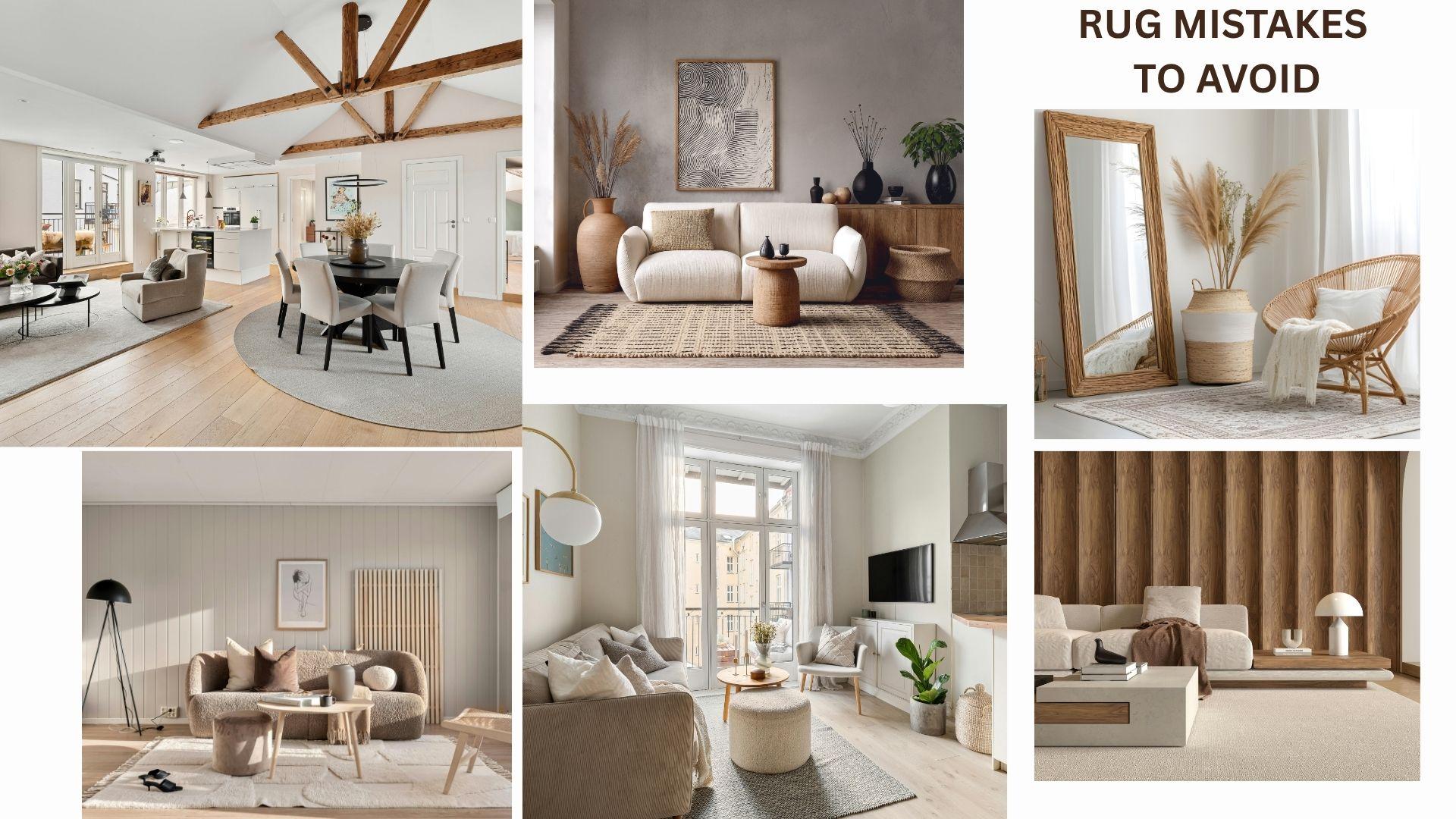
For a living room, the rug should be large enough to visually connect the sofa, armchairs and coffee table. It should not look like a small island floating in the middle of the room. Ideally, at least the front legs of the sofa and armchairs should sit on the rug. In a larger room, you may choose a rug that accommodates all of the furniture legs.
As a general rule, the rug should not be narrower than the sofa arrangement it is intended to anchor. A rug that is much smaller than the sofa will usually make both the rug and the room appear out of proportion.
When choosing a rug for a dining table, make sure that all four legs of every chair sit comfortably on the rug. You also need to consider what happens when someone pulls a chair away from the table. The back legs of the chair should still remain on the rug rather than catching on its edge.
This means that you should measure the dining table and then allow enough additional rug space on every side for the chairs to be used comfortably. A rug can be the correct size for the table itself but still be too small for the dining area once the chairs are pulled out.
2. Ignoring the Size and Scale of the Room
The second mistake is choosing a rug without considering the size of the room.
A rug should not completely take over the visible floor, but it should also not look too tiny for the space. It is all about scale and proportion.
A smaller room will generally require a smaller rug, while a large living room or open-plan space will need a larger one. However, a large room does not necessarily require one enormous rug covering almost the entire floor. You can use individual rugs to create and visually separate different areas.
For example, in an open-plan living and dining room, one rug can define the main seating area while another can sit underneath the dining table. A smaller rug may then be used to create a separate reading nook or an area for morning coffee or evening drinks.
Each rug should relate to the furniture placed around it. It should help create a complete area rather than appear as though it was added randomly after all the furniture was already positioned.
Before choosing the size, think about what you are trying to achieve. Do you want the rug to anchor the main furniture arrangement? Are you trying to create a separate zone within a larger room? Or are you simply adding warmth beside a bed or underneath two armchairs?
Understanding the purpose of the rug will make it much easier to select the correct size.
3. Choosing a Shape That Does Not Relate to the Furniture
The shape of the rug should generally relate to the shape created by the furniture.
If your living room and furniture arrangement are rectangular, a rectangular rug will usually be the most natural choice. If you have a round dining table, a round rug can beautifully follow the shape of the table and create a more balanced result.
For smaller areas within a larger room, such as a reading nook or a space reserved for coffee in the morning or drinks in the evening, look at the shape created by the furniture pieces.
Two armchairs with an auxiliary table between them may work with either a round or rectangular rug. The right option will depend on the size of the furniture, the available floor space, the overall shape of the room and whether another rug is already being used nearby.
You do not have to follow this guideline in every situation, but the rug and the furniture should feel connected. The rug should not compete with the furniture arrangement or make the space feel awkward.
Choose the Material According to How the Area Will Be Used
The appearance of a rug is important, but so is its practicality.
Before purchasing one, think about how the room or area will be used. A rug that works beautifully in a bedroom may not be suitable underneath a dining table or in a busy hallway.
In a dining area, for example, you may not want a long-pile rug where food and crumbs can become trapped. A flatter and easier-to-clean rug will usually be a more practical choice.
For a hallway or entrance, choose a durable material that can tolerate frequent foot traffic and regular cleaning. This is not the place for a very delicate rug that will quickly show wear and tear.
A bedroom allows you to choose something softer because the room usually receives less traffic and comfort is especially important.
Remember Doors, Cabinets and Low Furniture
Before ordering a rug, check whether it could interfere with anything nearby.
A rug should not prevent a door from opening or closing properly. You should also check low sideboards, cabinets or other furniture that sits almost flat against the floor. A thicker rug may stop a cabinet door or drawer from opening, even if the rug appears to fit perfectly in the available space.
These small practical details are easy to overlook when shopping, but they can make a considerable difference once the rug is placed in the room.
Choosing the Right Rug for a Bedroom
For a bedroom, choose a rug that is proportionate to both the size of the room and the bed.
There should be enough rug visible on each side of the bed to make the room feel balanced and to provide a comfortable surface when getting out of bed. I recommend allowing approximately 60 centimetres on each side whenever the room permits.
You can position one larger rug underneath the bed or use two runner-style rugs, one on each side. I use two runners in my own bedroom, which gives me the necessary length and softness on both sides of the bed without requiring one very large rug.
This can also be a practical solution when the bedroom layout or budget does not allow for a large rug.
Take Your Time Before Buying
Rugs are beautiful and give us a wonderful sense of warmth and cosiness, but finding the right one requires more thought than simply choosing a colour or pattern.
Measure the furniture, consider the scale of the room, think about the shape created by the furniture and select a material suited to the way the area will be used. Do not forget to check doors, cabinets and the practical needs of everyday life.
I hope these tips help you choose the right rug for the right room or area—and avoid purchasing something beautiful that does not quite work once you bring it home.
If you need help with furniture placement, room layouts, decorating decisions or choosing the right proportions for your home, my two-hour Home & Renovation Clarity Consultation provides focused, practical guidance for your own space.